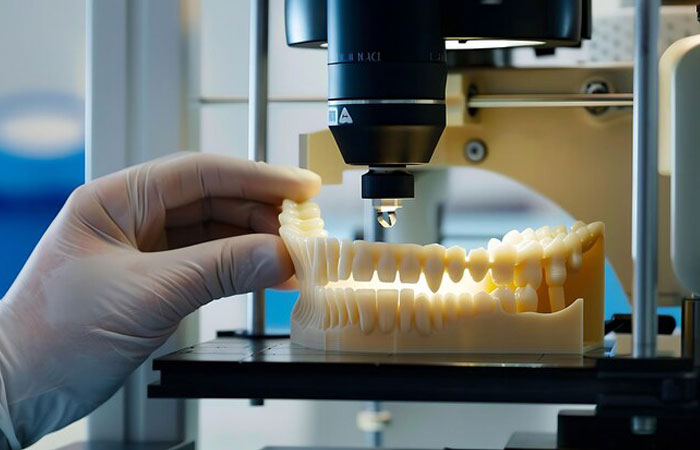
Precision and dependability are essential—not simply desirable—in the realm of medical machining. All medical components, including implants, surgical tools, and diagnostic equipment, have to adhere to strict guidelines in order to be used safely and appropriately within the human body. This is the application of sophisticated metrology and quality control methods. For medical machining to continue to require the high standards of accuracy and consistency, these procedures are necessary. With an emphasis on non-destructive testing, in-process inspection, and traceability, this article examines the critical role that metrology and quality control play in manufacturing.
The Importance of Non-Destructive Testing (NDT)
Non-destructive testing (NDT) is a cornerstone of quality control in medical machining. NDT methods allow for the inspection of components without causing damage, ensuring that parts meet quality standards while remaining intact for use. This is particularly important for medical components, where any defect, no matter how small, could lead to serious consequences.
Common NDT techniques used in medical machining include ultrasonic testing, X-ray inspection, and dye penetrant testing. Ultrasonic testing, for example, uses high-frequency sound waves to detect internal flaws such as cracks or voids. X-ray inspection, on the other hand, provides detailed images of the internal structure of a component, revealing any hidden defects. These methods are invaluable for ensuring the integrity of critical medical components, such as implants or surgical tools, where reliability is paramount.
In-Process Inspection: Real-Time Quality Assurance
In-process inspection is another critical aspect of quality control in medical machining. Unlike traditional inspection methods that occur after manufacturing, in-process inspection involves monitoring and verifying the quality of components during the machining process. This real-time approach allows manufacturers to detect and correct issues immediately, reducing the risk of defects and ensuring that each part meets the required specifications.
One of the key tools used in in-process inspection is the coordinate measuring machine (CMM). CMMs can measure the dimensions of components with extreme precision, comparing them against the specified tolerances. In medical machining, where even a micrometer’s deviation can be significant, this level of precision is essential. In-process inspection also helps in maintaining consistency across production runs, ensuring that every component is produced to the same high standard.
Traceability: Ensuring Accountability and Compliance
Traceability is another crucial element of quality control in medical machining. Traceability involves the ability to track every stage of a component’s production, from raw material to final product. This ensures that any issues can be traced back to their source, allowing for quick identification and resolution of problems.
In the medical industry, traceability is also vital for regulatory compliance. Manufacturers must be able to provide detailed records of each component’s production history, including materials used, machining processes, and inspection results. This level of documentation is necessary not only for ensuring quality but also for meeting the stringent regulations that govern medical device manufacturing.
Advanced traceability systems often use barcodes, RFID tags, or laser marking to uniquely identify each component. These systems can be integrated with manufacturing software to automatically record data throughout the production process, making it easier to maintain accurate and comprehensive records.
To guarantee that every component produced satisfies the highest requirements of precision and dependability, quality control and metrology are essential to the success of medical machining. Manufacturers are able to maintain the quality and consistency needed in the medical profession by using sophisticated traceability systems, non-destructive testing, and in-process inspection. These procedures will grow increasingly complex as technology develops, boosting the effectiveness and safety of medical components even more. The importance of metrology and quality control in a field where mistakes are not tolerated can’t be emphasized.
image courtesy : Design by Freepik