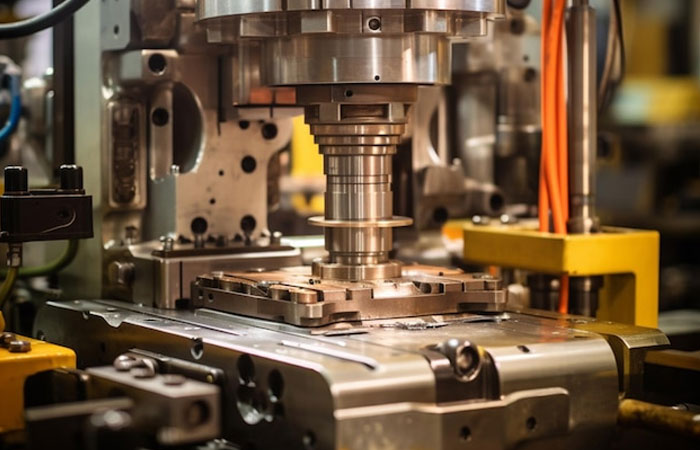
The heavy engineering sector is the foundation of industries such as railways, construction, aerospace, and automotive. These industries demand components that can endure extreme stress, pressure, and environmental challenges. As technology evolves, so does the need for advanced materials that offer enhanced durability, strength, and performance. Recent material innovations and the development of new alloys have transformed heavy engineering machining, providing solutions that improve efficiency, longevity, and cost-effectiveness.
The Shift Towards Advanced Materials
Traditional materials like carbon steel and cast iron have long been the mainstay of heavy engineering machining. However, the growing demands for more robust, lightweight, and efficient components have led to the exploration of innovative materials that outperform these conventional options. The introduction of new alloys, composites, and ceramics is revolutionizing the manufacturing process, allowing engineers to create parts with improved mechanical properties, corrosion resistance, and thermal stability.
High-Strength Low-Alloy (HSLA) Steel
High-strength low-alloy (HSLA) steel is one of the most significant material innovations in heavy engineering machining. Unlike traditional steel, HSLA contains small amounts of alloying elements such as chromium, nickel, and molybdenum, which enhance its strength and toughness without adding excessive weight. This makes it an ideal choice for manufacturing large components that must withstand heavy loads and harsh environments, such as construction equipment, railway tracks, and bridges.
The key advantage of HSLA steel is its excellent weldability and formability, allowing manufacturers to produce complex shapes without compromising strength. Its high strength-to-weight ratio reduces the overall weight of heavy machinery, improving fuel efficiency and reducing operational costs.
Titanium Alloys
Titanium alloys have gained popularity in heavy engineering applications due to their exceptional strength, low density, and corrosion resistance. These alloys are widely used in industries such as aerospace, oil and gas, and marine engineering, where components must endure extreme conditions. For example, titanium’s ability to resist corrosion from saltwater makes it ideal for marine applications, while its high strength-to-weight ratio is valuable in aerospace manufacturing.
Titanium alloys are also biocompatible, making them suitable for medical implants and equipment. Although titanium is more expensive than traditional materials, its durability and longevity offer significant cost savings over time, especially in applications where maintenance and replacement costs are high.
Superalloys
Superalloys, often based on nickel, cobalt, or iron, are another innovation driving heavy engineering machining forward. These materials are engineered to retain their mechanical properties at extremely high temperatures, making them ideal for applications such as gas turbines, jet engines, and power plants. The exceptional heat resistance of superalloys ensures that components can operate efficiently in demanding environments without experiencing deformation or degradation.
The use of superalloys has allowed manufacturers to push the boundaries of performance, enabling the creation of components that are more reliable, efficient, and capable of handling intense heat and pressure. This makes them invaluable in industries where equipment failure is not an option.
Composites and Ceramics
Composites, such as carbon fiber-reinforced polymers (CFRP) and glass fiber-reinforced polymers (GFRP), are increasingly used in heavy engineering machining due to their lightweight nature and high strength. These materials are particularly valuable in applications where reducing weight without compromising performance is crucial, such as in aerospace, automotive, and wind energy sectors.
Ceramic materials, on the other hand, offer excellent thermal and wear resistance, making them ideal for cutting tools, bearings, and other high-stress applications. Advanced ceramics, such as silicon carbide and alumina, can withstand high temperatures and harsh chemical environments, extending the lifespan of components and reducing maintenance requirements.
Impact on Durability and Performance
The introduction of these innovative materials has significantly improved the durability and performance of components used in heavy engineering applications. Components made from HSLA steel, titanium alloys, and superalloys exhibit superior resistance to wear, corrosion, and fatigue, ensuring longer service life even under extreme conditions. This reduces the need for frequent maintenance and replacements, leading to lower operational costs and downtime.
The lightweight nature of advanced materials such as titanium alloys and composites also enhances the efficiency of machinery and equipment, reducing fuel consumption and increasing overall productivity. In sectors like railways and aerospace, this translates to more efficient transportation, lower emissions, and improved sustainability.
Material innovations are reshaping the landscape of heavy engineering machining, offering solutions that combine strength, durability, and efficiency. The adoption of advanced alloys, composites, and ceramics has opened up new possibilities for manufacturing components that can withstand the toughest conditions while delivering superior performance. As industries continue to evolve, these materials will play a pivotal role in driving advancements in heavy engineering, ensuring that machinery and infrastructure remain reliable, efficient, and capable of meeting the demands of the future.