


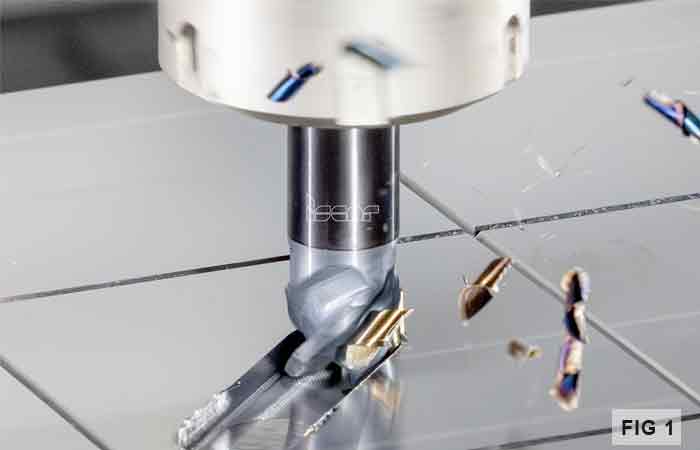
As tungsten carbide prices continue to rise, manufacturers are facing a new challenge:
how to maintain machining productivity, tool life and process reliability while controlling tooling expenditure. In an industry where cutting tools directly influence production efficiency, the focus is increasingly shifting from purchasing tools at a lower price to achieving greater value from every cutting edge.
Tungsten carbide remains the dominant material for modern cutting tools because of its hardness, wear resistance and ability to withstand demanding machining conditions. Coating technologies have further enhanced its performance, enabling higher cutting speeds, improved wear resistance and increased metal removal rates. However, rising tungsten prices are putting pressure on tooling budgets and forcing manufacturers to rethink conventional tooling strategies.
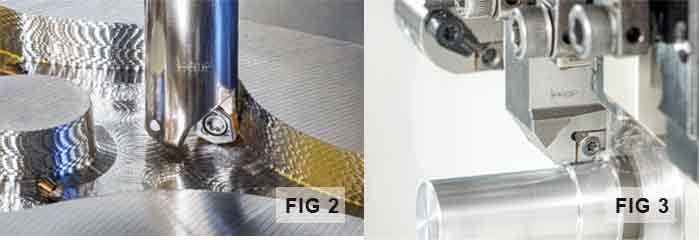
The supply chain adds another dimension to this challenge. China accounts for approximately 80% of global tungsten production, making the material particularly sensitive to export policies, geopolitical developments and supply disruptions. Growing demand from electronics, aerospace and defence industries is adding further pressure on availability and pricing.
Rising tungsten carbide prices are pushing manufacturers to rethink tooling strategies. By optimising tool design, adopting replaceable cutting heads and maximising tool utilisation, manufacturers can reduce carbide consumption, lower cost per component and maintain productivity, reliability and machining performance.
While alternative materials such as ceramics, cermets, CBN and PCD offer advantages in specific applications, their use is limited by cost, toughness and machining conditions. Advanced coatings, meanwhile, can extend tool life and improve performance, although developing and applying these technologies also adds cost.
A more practical approach lies in optimising tool design and carbide utilisation. Replaceable cutting heads, smaller inserts, multi-edged geometries and multifunctional tools can reduce carbide consumption while improving flexibility and lowering tooling costs. Such designs also help minimise inventory requirements, reduce tool-change time and improve machining efficiency.
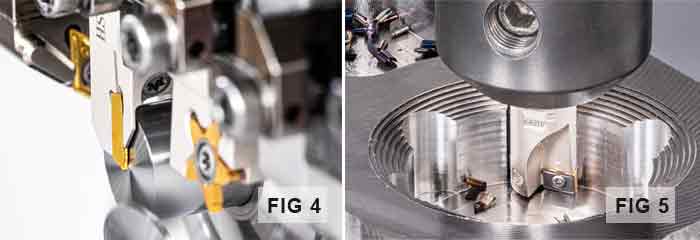
ISCAR’s innovations demonstrate how this approach can translate into tangible manufacturing advantages. Its MULTI-MASTER interchangeable-head system and SUMOCHAM replaceable-head drills reduce the need to replace entire tools. Miniature inserts, multi-edge designs and multifunctional milling solutions further support efficient material utilisation and cost-conscious machining.
 Ultimately, cost-effective tooling is not about choosing the cheapest tool. It is about maximising tool utilisation, reducing cost per component, improving productivity and achieving consistent machining performance.
As material prices continue to fluctuate, the real competitive advantage will belong to manufacturers who focus on value rather than price—and extract more productivity from every tool they use.
