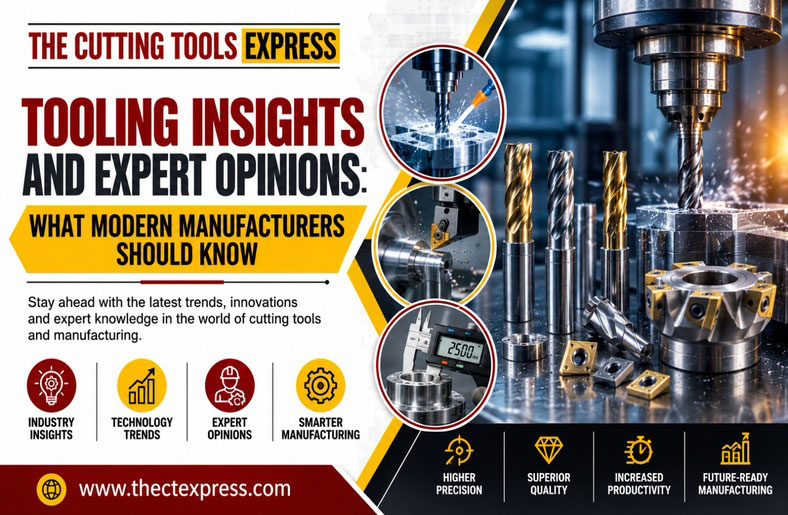
Since manufacturing industry keeps changing, making the right tooling decisions is must.
This is where tooling insights and expert opinions can help. They give manufacturers a better guidance of what exactly works, what is changing, and what they can expect from the industry.
From the latest cutting tool technologies to practical machining advice and market updates — these insights help businesses improve efficiency and make informed choices.
They also offer valuable lessons from industry experts who deal with real production challenges every day. In this article, we’ll discuss and explore how tooling insights and expert opinions can help you achieve better performance and long-term success.
What Industry Experts Says About “Tooling”
Over the years, things have shifted drastically in the manufacturing industry. The reason is that customer expectations continue to rise, while production schedules become tighter.
Because of this, the experts from the “tooling” industry point to several trends that are influencing how manufacturers approach tooling.
1. Better Tool Materials
Traditional high-speed steel tools still have their place, but carbide tools have become the preferred choice for many machining applications. Their ability to maintain hardness at high temperatures allows for faster cutting speeds and longer service life.
Manufacturers are also developing advanced grades that perform better when machining stainless steel, titanium, hardened steel, and other difficult materials.
2. Improved Tool Coatings
Tool coatings continue to evolve. Modern coatings reduce friction, improve heat resistance, and slow down wear during machining.
Popular coatings include:
- Titanium Nitride (TiN)
- Titanium Aluminum Nitride (TiAlN)
- Aluminum Titanium Nitride (AlTiN)
- Diamond-Like Carbon (DLC)
Industry professionals or experts usually recommend matching the coating to the specific application rather than relying on a single solution for every job.
3. Precision Is Becoming the Standard
Many industries no longer accept “close enough.” Aerospace, medical, electronics, and automotive manufacturers now demand extremely tight tolerances.
Even if there is a minor change in a finished part, it can lead to quality issues or a complete product failure. That’s why manufacturers pay close attention to tool condition, machine setup, and cutting parameters these days.
Why Expert Opinions is Important in Manufacturing
Technology indeed provides valuable information. However, experienced professionals continue to play an important role.
Machine operators, tooling engineers, and manufacturing specialists often recognize small process improvements that software alone cannot identify.
Their recommendations may include:
- Selecting a different insert geometry
- Adjusting cutting speeds and feeds
- Using a different coolant strategy
- Choosing another coating
- Reducing unnecessary tool changes
Small adjustments like these can improve productivity while extending tool life.
This combination of practical experience and modern technology is becoming one of the strongest competitive advantages in manufacturing.
Smart Manufacturing Is Changing Tool Management
One of the biggest topics in today’s Tooling Insights and Expert Opinions is the growing role of data.
Modern production facilities are increasingly using connected machines and monitoring systems to keep track of tool performance. Instead of waiting for a tool to fail, manufacturers can monitor wear and replace tools before they affect product quality.
Some systems now collect information such as:
| Data Being Monitored | How It Helps |
| Tool Life | Shows when tools should be replaced. |
| Cutting Temperature | Helps prevent overheating and tool damage. |
| Machine Load | Detects excessive stress during machining. |
| Vibration Levels | Identifies possible tool wear or machine issues. |
| Production Consistency | Maintains stable quality across production runs. |
This information helps production teams make better maintenance decisions and avoid unexpected downtime. With this, rather than relying only on experience, manufacturers now combine skilled operators with “real-time production data”.
The Challenges Manufacturers Continue to Face
The technology is indeed improving, but the industry still faces several real challenges.
Rising Material Costs
Carbide, specialty alloys, and other raw materials have experienced price fluctuations in recent years. These changes directly affect tooling costs and purchasing decisions.
Many manufacturers now prefer tools that last longer, even if the initial purchase price is a bit higher.
Skilled Labor Shortages
Many manufacturers are literally finding it difficult in hiring “experienced machinists”.
New age CNC machines need skilled operators — especially those who understand programming, machining, methods, tool selection, and quality control. As experienced workers retire, manufacturers continue investing in training the next generation.
Shorter Lead Times
Customers increasingly expect faster delivery without sacrificing quality.
This creates pressure throughout the production process. Efficient tooling helps reduce setup time, improve cycle times, and minimize unexpected interruptions.
How Tooling Insights Will Help in Future?
As said, manufacturing continues to evolve — be it through automation, digital technology, or improved engineering. Let’s have a look at some of the trends in manufacturing industry:
- Artificial intelligence is beginning to assist with process optimization.
- Simulation software allows engineers to test machining strategies before production begins.
- Additive manufacturing is also opening new possibilities for producing specialized tooling with complex internal designs.
- Smart sensors and IoT-enabled machines are helping manufacturers monitor tool performance in real time, which makes it easier to “predict maintenance” needs.
- Sustainability is another important focus, as manufacturers are now working toward longer-lasting tools, more efficient machining processes, and reduced material waste.
When you keep up with “Tooling Insights and Expert Opinions”, it allows your business to prepare for these changes instead of reacting after competitors have already adapted.
Conclusion
Success in manufacturing depends on many factors. However, tooling remains one of the most essential things. Because manufacturing technologies improve every single day, businesses that stay informed are better positioned to boost efficiency and control costs.
When you listen to experienced professionals, follow industry developments, and invest in the right tooling solutions, they can create long-term advantages.
At The Cutting Tools Express, we understand that every machining operation has different requirements, which is why we help manufacturers choose exact solutions with expert guidance.
Frequently Asked Questions (FAQs)
Q1. What are tooling insights in manufacturing?
- Tooling insights are basically a practical knowledge about industry trends, and technical recommendations that help manufacturers improve machining performance.
Q2. Why are expert opinions important when selecting cutting tools?
- They know how different tools perform in real production environments. Their recommendations can help reduce problems, give accuracy, and lower operating costs.
Q3. How often should manufacturers review their tooling strategy?
- It’s a good idea to review tooling whenever production requirements or technology changes.
Q4. What industries benefit the most from advanced cutting tools?
- Automotive, aerospace, medical device manufacturing, electronics, energy, and general engineering — all rely on precision cutting tools.
Q5. How tooling experts can help overcome manufacturing challenges?
A. The experts help businesses in choosing better tools, solving machining problems, and improving production with practical advice.